Хирургия периферических нервов — Индия — цена в каталоге от US$5,000 до US$6,000 ; в каталоге: 11 больниц. Каждая больница называет свою цену для вашего случая.
Цены обновлены май 2010 г.
Стоимость: Хирургия периферических нервов — Индия
Цены по видам процедур, в US$. Каждая больница называет свою цену для вашего случая.
Процедура
Минимальная цена
Максимальная цена
Хирургия периферических нервов
$5,000
$6,000
Цена от $5,000 до $6,000 · обновлено май 2010 г..Окончательную цену называет каждая больница
Больницы и клиники: Хирургия периферических нервов — Индия
Хирургия периферических нервов: 11 больниц в каталоге — Индия. Порядок меняется каждый час, чтобы у всех были равные условия.
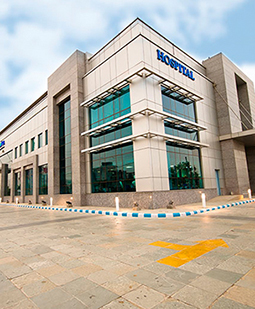
A modern 100 bed hospital opened in 2008, located in Gurgaon, outside of New Delhi.The hospital is a part of the Columbia Asia Group, which has an international patients office able to assist foreign patients with all aspects of medical travel.
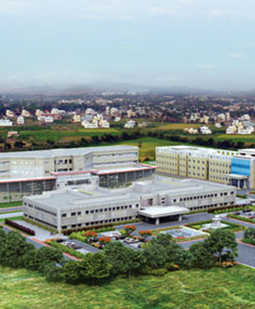
The flagship hospital of the Global Hospitals Group, which operates eight hospitals throughout India. The modern 500 bed hospital was opened in 2009, and offers advanced medical and surgical treatment, including organ transplantation, cardiac surgey and neurosurgy.
The team of surgeons includes internationally reputed experts, who are deft at providing innovative and the most modern surgical treatment and management services for all sorts of disorders of the nervous system.
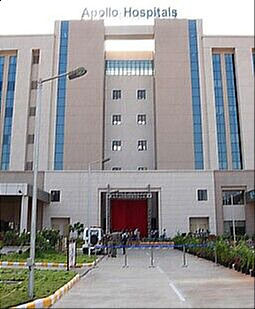
Apollo Hospitals, Chennai is recognized as a leader in acute Neurosurgical care and is ranked among the top hospitals specializing in neuro care in the world.
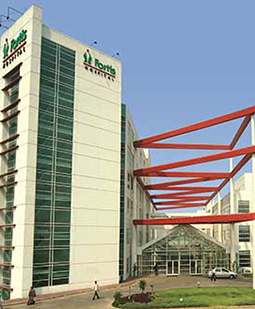
Located near Delhi, Fortis Hospital Noida is a Centre of Excellence for Orthopaedics and Neurosciences with a focus on Cardiac Sciences, Minimally Invasive Surgeries and Oncology.
SevenHills Group of Hospitals (SHHL) has been delivering Healthcare services at the highest level, since past 25 years. SevenHills Hospital, Mumbai, is a world class integrated Healthcare Delivery System, that provides comprehensive Healthcare...
ЦеныPeripheral Nerve Surgery по запросуCarpal Tunnel Decompression по запросуCommon Peroneal Nerve Decompression по запросуLateral Femoral Cutaneous Nerve Decompression по запросуUlnar Nerve Decompression по запросу
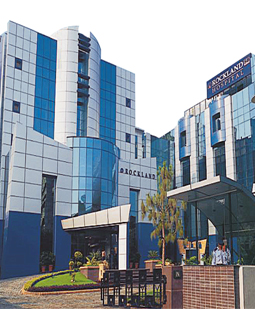
Rockland Hospital Qutab offers choice of selecting from economy rooms to most luxurious single rooms. It is well recognized and credited for its services. The hospital attracts more than 1500 international patients for their specialized medical care needs in a year.
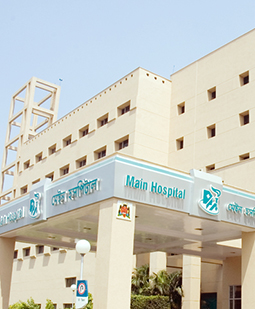
The Apollo Gleneagles Hospital is a medical institution in Kolkata, India. It is an affiliate of Apollo Hospitals, the largest private hospital group in Asia. It provides medical services to both local and international patients.
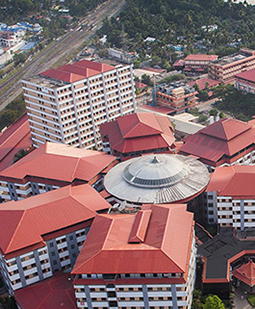
AIMS is a health care center that offers various medical services under the different areas of Medicine. It is located in Kochi, India. Both local and foreign patients are treated in this institute every year.
Хирургия периферических нервов - это
общий термин для различных видов операций, которые выполняют для лечения
повреждений, компрессии и опухолей периферических нервов. Эти операции
выполняются хирургами, которые специализируются в области ортопедии,
неврологии, косметической или реконструктивной хирургии.
Какие существуют виды хирургии
периферических нервов?
Вот несколько методов, которые
используются в хирургии периферических нервов:
Главное для планирования лечения: длительность, пребывание в больнице, анестезия, риски и восстановление.
Восстановление
Информация скоро появится. Запросите консультацию, чтобы получить индивидуальные рекомендации по восстановлению. Узнать цену →
Послеоперационный уход
Информация скоро появится. Запросите консультацию, чтобы получить индивидуальные рекомендации по восстановлению. Узнать цену →
Carpal Tunnel Decompression
Carpal tunnel decompression is a surgical procedure to treat the compression or dysfunction of the median nerve that extends through the wrist to the hand.
An incision is made in the hand and an antiseptic solution is used to wash the incision area. The incision is then made deeper below the skin and fat through the first layer. The incision is then made through the flexor retinaculum with a sharp blade. The nerve decompression is beyond the incision, into the forearm. After the bleeding stops, the incision is closed and covered with dressing and bandage.
How to prepare for carpal tunnel decompression?
The patient should inform the doctor about the following things:
Health illnesses
Medication that the patient may be taking
Allergies
Bleeding disorders
Дней в больнице
This surgery may be done as an out patient procedure, and the patients can go home after the surgery. However, some patients are admitted to the hospital one day before the surgery.
Анестезия
General or local anesthesia
Восстановление
- The patient is taken to the recovery room to be monitored for one hour after the surgery - Pain medication may be prescribed by the doctor. - The patient will be encouraged to keep the arm elevated. - The sutures may be removed in 7 to 12 days after the surgery - The doctor will schedule follow-up visits to check the wound. - Physiotherapy may be recommended
Риски
The common risks involved in carpal tunnel decompression are as follows: - Blood clotting - Nerve injury - Wrist pain - Scarring - Failure to treat the symptoms
Послеоперационный уход
- The patient should drive after being discharged from the hospital. - The dressing should be changed regularly on a daily basis. - The wound should be kept dry. - The patient should try to keep the arm elevated and use it for normal activities. - Lifting heavy objects should be avoided, until the doctor permits the patient to do so.
The doctor should be informed if the following symptoms occur: - Severe pain in the wrist - Fever - Infection and swelling of the wound - Weakness or numbness in the hand or fingers
Common Peroneal Nerve Decompression
Common peroneal nerve decompression is a surgical procedure to treat the compression or dysfunction of the nerve that lies around the outer portion of the leg.
An incision is made near the knee and an antiseptic solution is used to wash the incision area. The incision is then made deeper below the skin and fat. Then the fascia above the muscle and nerve is cut with a sharp blade. The peroneal nerve is identified, which lies below the beginning of the fibula. Where the nerve enters the muscle, it is decompressed. After the bleeding stops, the incision is closed and covered with dressing and bandage.
How to prepare for common peroneal nerve decompression?
The patient should inform the doctor about the following things:
Health illnesses
Medication that the patient may be taking
Allergies
Bleeding disorders
Дней в больнице
This surgery may be done as an out patient procedure, and the patients can go home after the surgery. However, some patients are admitted to the hospital one day before the surgery.
Анестезия
General or local anesthesia
Восстановление
- The patient is taken to the recovery room to be monitored for one hour after the surgery - Pain medication may be prescribed by the doctor. - The sutures may be removed in 7 to 12 days after the surgery - The doctor will schedule follow-up visits to check the wound.
Риски
The common risks involved in common peroneal nerve decompressions are as follows: - Infection - Blood clotting - Nerve injury - Severe surgical pain - Scarring - Failure to treat the symptoms
Послеоперационный уход
- The patient should drive after being discharged from the hospital. - The dressing should be changed regularly on a daily basis. - The wound should be kept dry. - Running and stressing the leg should be avoided.
The doctor should be informed if the following symptoms occur: - Severe knee pain - Fever - Infection and swelling of the wound - Weakness or numbness in the leg
Lateral Femoral Cutaneous Nerve Decompression
Lateral Femoral Cutaneous Nerve Decompression is a surgical procedure to treat the compression or dysfunction of the nerve that lies around the outer portion of the thigh, beneath the hip and above the knee. An incision is made on the skin at the groin and an antiseptic solution is used to wash the incision area. The incision is cut deeper into the first fascia layer. Then the fascia above the muscle and nerve is cut with a sharp blade. The lateral femoral cutaneous nerve is then identified, which lies beneath the fascia. The nerve is followed up to the inguinal ligament to find the exact area through which it comes. If the nerve has to be decompressed, the hole is opened. If the nerve has to be divided, it is pulled through the hole and cut. The stump is drawn back to the abdomen. After the bleeding stops, the incision is closed and covered with dressing and bandage
How to prepare for Lateral Femoral Cutaneous Nerve Decompression?
The patient should inform the doctor about the following things:
Health illnesses
Medication that the patient may be taking
Allergies
Bleeding disorders
Дней в больнице
This surgery may be done as an out patient procedure, and the patients can go home after the surgery. However, some patients are admitted to the hospital one day before the surgery.
Анестезия
General or local anesthesia
Восстановление
- The patient is taken to the recovery room to be monitored for one hour after the surgery - Pain medication may be prescribed by the doctor. - The sutures may be removed in 7 to 12 days after the surgery - The doctor will schedule follow-up visits to check the wound.
Риски
The common risks involved in Lateral Femoral Cutaneous Nerve Decompression are as follows: - Difficulty in finding the nerve for the surgery - Infection - Blood clotting - Nerve injury - Severe surgical pain - Scarring - Failure to treat the symptoms
Послеоперационный уход
- The patient should drive after being discharged from the hospital. - The dressing should be changed regularly on a daily basis. - The wound should be kept dry. - Running and stressing the leg should be avoided.
The doctor should be informed if the following symptoms occur: - Severe pain in the groin - Fever - Infection and swelling of the wound
Ulnar Nerve Decompression
Ulnar nerve decompression is a surgical procedure to treat the compression or dysfunction of the ulnar nerve that runs from the elbow to the hand, which provides sensation to the little finger and half of the ring finger.
An incision is made on the skin near the elbow and an antiseptic solution is used to wash the incision area. The incision is then made deeper below the skin and fat through the first layer. Then the fascia above the muscle and nerve is cut with a sharp blade. The ulnar nerve is identified, which lies below the bone on the inner side of the elbow. The nerve is decompressed at the point where it enters the forearm muscles. After the bleeding stops, the incision is closed and covered with dressing and bandage.
How to prepare for ulnar nerve decompression?
The patient should inform the doctor about the following things:
Health illnesses
Medication that the patient may be taking
Allergies
Bleeding disorders
Дней в больнице
This surgery may be done as an out patient procedure, and the patients can go home after the surgery. However, some patients are admitted to the hospital one day before the surgery.
Анестезия
General or local anesthesia
Восстановление
- The patient is taken to the recovery room to be monitored for one hour after the surgery - Pain medication may be prescribed by the doctor. - The patient will be encouraged to keep the arm elevated. - The sutures may be removed in 7 to 12 days after the surgery - The doctor will schedule follow-up visits to check the wound.
Риски
The common risks involved in ulnar nerve decompression are as follows: - Blood clotting - Nerve injury - Elbow pain - Scarring - Failure to treat the symptoms
Послеоперационный уход
- The patient should drive after being discharged from the hospital. - The dressing should be changed regularly on a daily basis. - The wound should be kept dry. - The patient should try to keep the arm elevated and use it for normal activities. - Lifting heavy objects should be avoided, until the doctor permits the patient to do so.
The doctor should be informed if the following symptoms occur: - Severe pain in the wound or elbow - Fever - Infection and swelling of the wound - Weakness or numbness in the hand
 Private Hospital

 JCI
 ISO